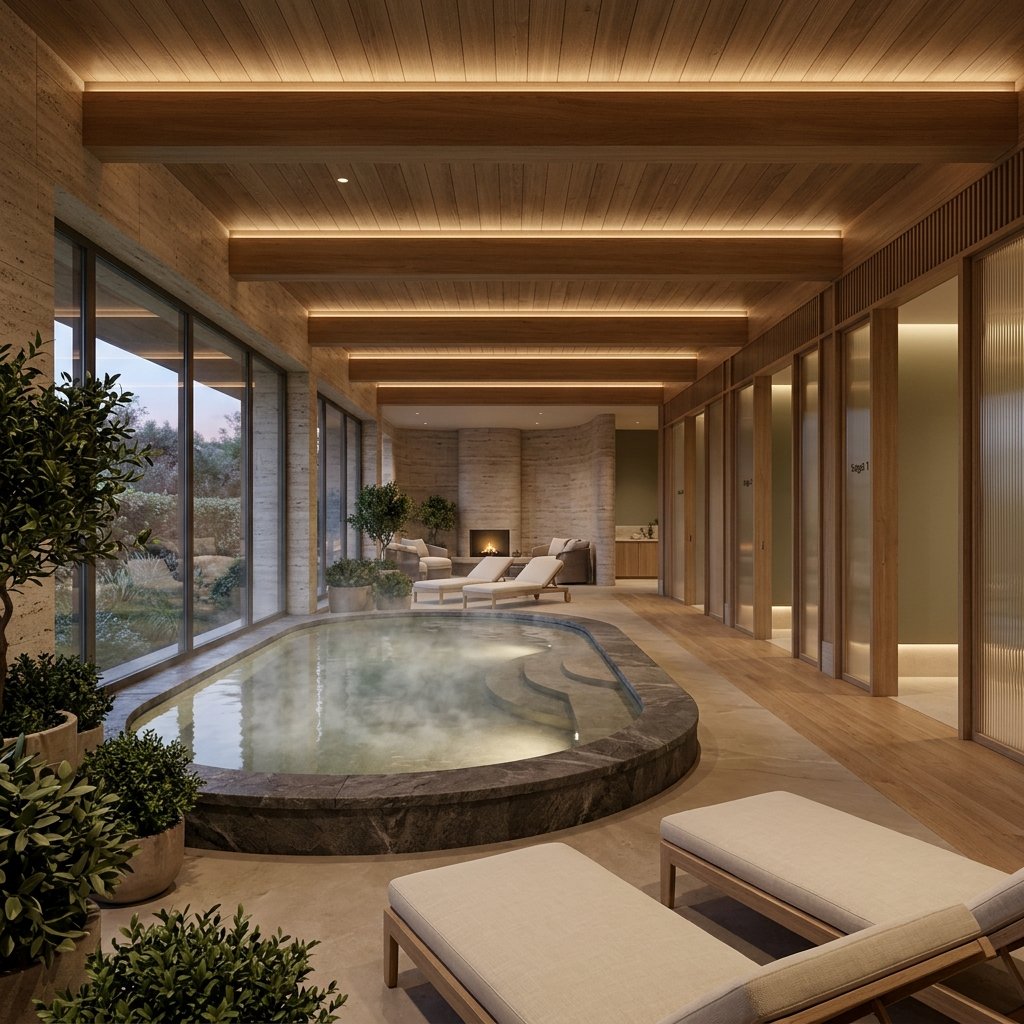
A spa development company takes a wellness facility from market study to opening day. Not the drawings alone, and not the running of it afterwards — the whole chain: whether the spa should be built at all, how large, what it offers, what it costs, who staffs it, and whether it earns.
That is a different job from the two it gets confused with. An architect resolves the building. An operator runs the spa once it is open. A spa development company decides what belongs inside the building and why — the guest journey, the treatment-room economics, the equipment, the operating model — and stays accountable for it through construction and into the first trading year.
A spa can be beautifully drawn and still lose money, because the decisions that determine whether it earns — how many treatment rooms, where the wet zone sits, how guests and staff move without crossing, how much back-of-house the operation actually needs — are made long before the finishes are chosen.
Full-cycle means one team carries the project through every stage, in this order:
The value is not that each stage happens. It is that no stage is handed across a gap, where the designer blames the supplier, the supplier blames the contractor, and the owner discovers at opening that nobody owned the outcome.
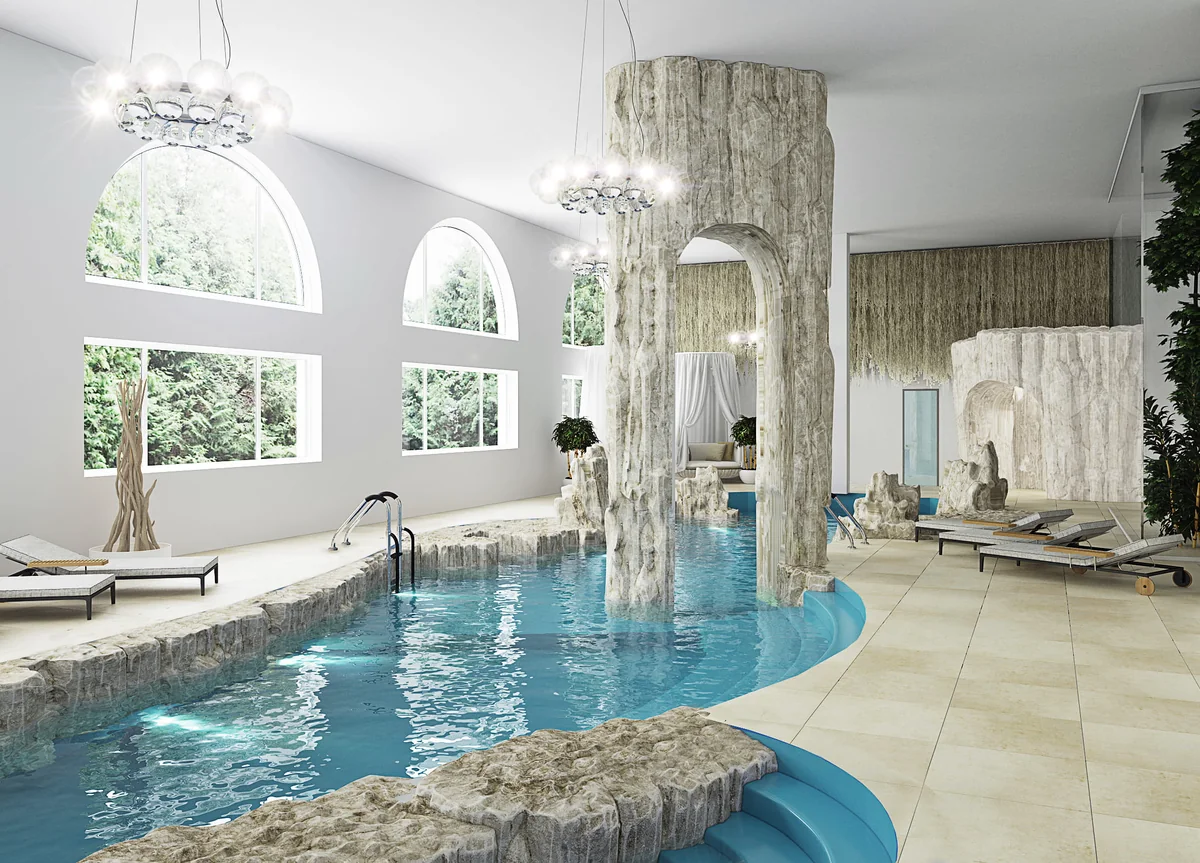
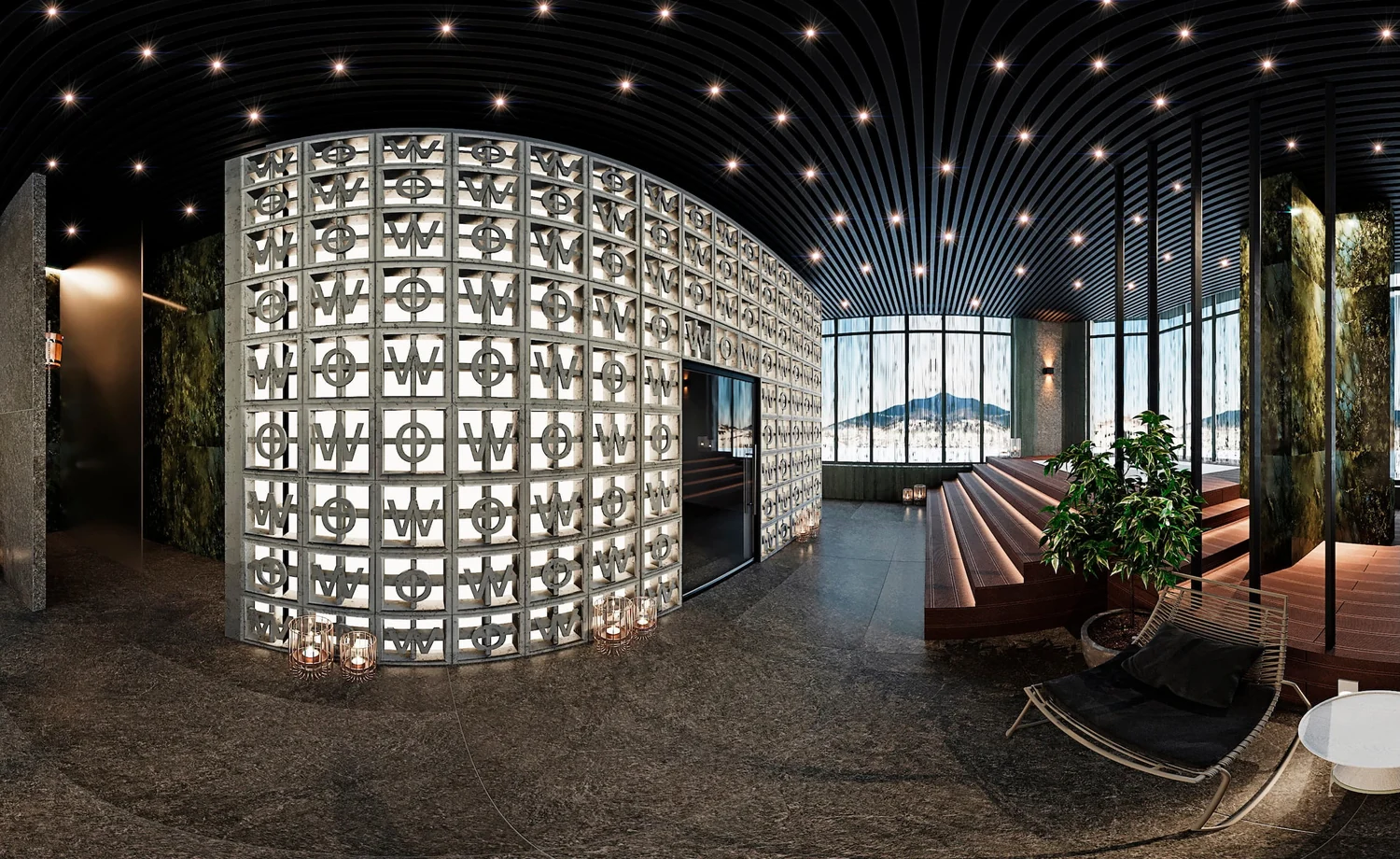
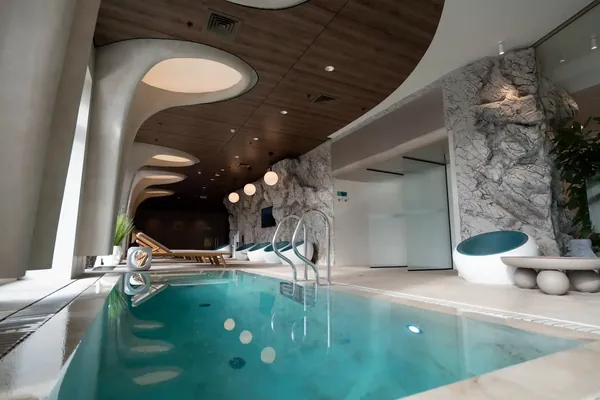
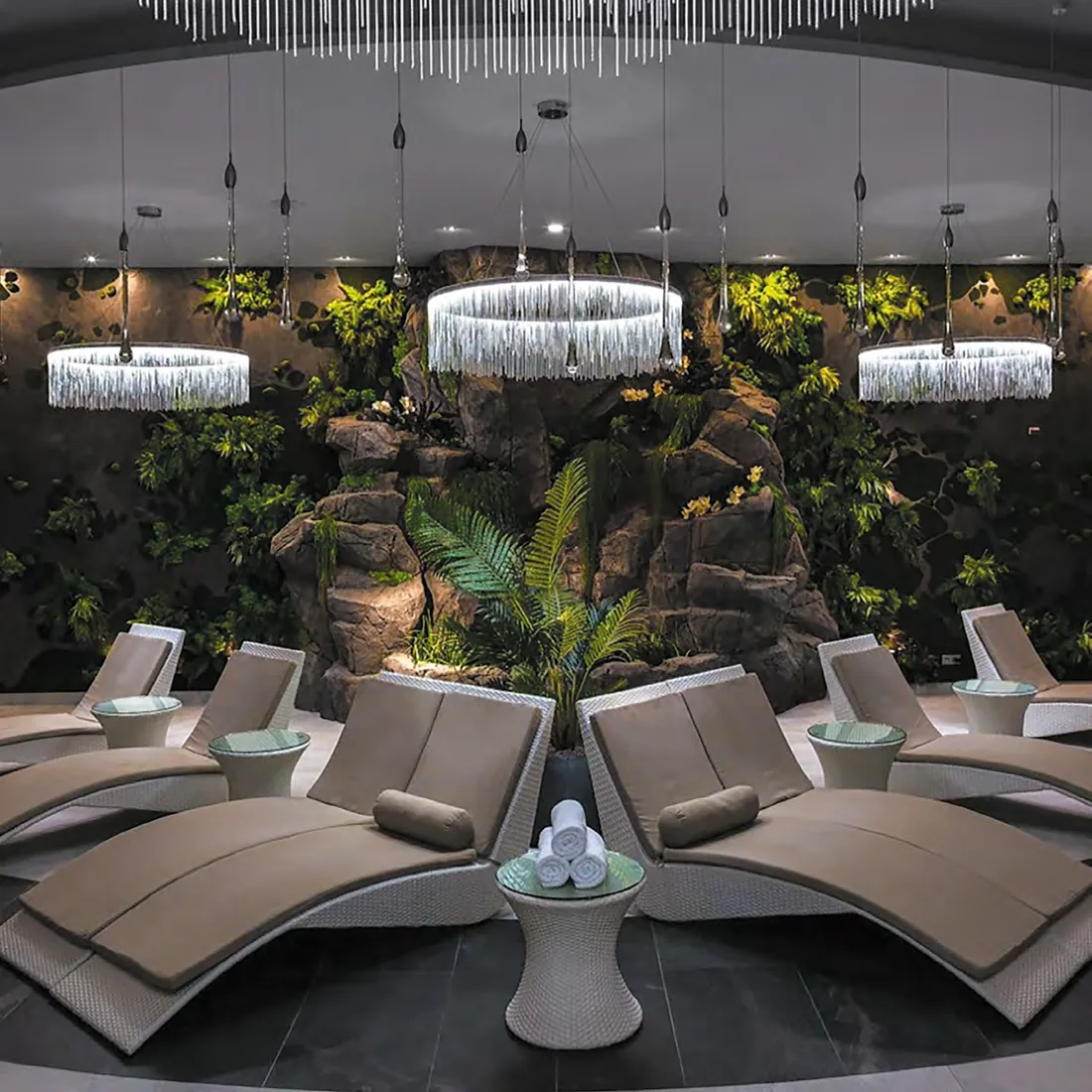
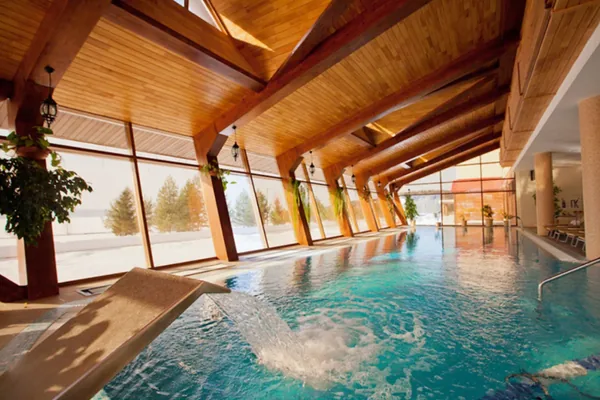
A 1,840 m² wellness destination, a 325 m² resort spa and a franchise concept built to repeat — each carried through the full cycle by one team.
At minimum: an architect, a main contractor, an MEP engineer, and someone who owns the spa as a business. The last role is the one most often left unfilled, because it looks like it overlaps with the other three. It does not.
The MEP engineer will size ventilation to the brief they are given. If nobody has decided the bather load, that brief is a guess. The contractor will build the drainage falls shown on the drawing. If nobody has decided where the hammam sits, that drawing is provisional. The architect will allocate the floor area they are asked to allocate. If nobody has derived the treatment-room count from projected demand, that allocation is arbitrary.
Our judgement, from projects that reached us late: the spa role should be filled before structural drawings are frozen. After that point, every correction is a variation order.
Long enough that it should start earlier than most owners expect, and the total varies too much for a single number to be honest. What can be said plainly:
The items that actually decide the opening date are rarely the finishes. They are water treatment, aquathermal waterproofing, ventilation, and long-lead equipment. A spa opens late because a filtration skid arrived late, not because the joinery was slow.
We will not give you a cost per square metre, and we would treat any figure offered before someone has seen your building with caution. The same floor area can differ several times over in cost depending on what sits inside it.
What drives the number:
The useful moment for a cost conversation is at concept stage, while the plan can still absorb the budget. After design freeze, the only remaining lever is cutting quality.
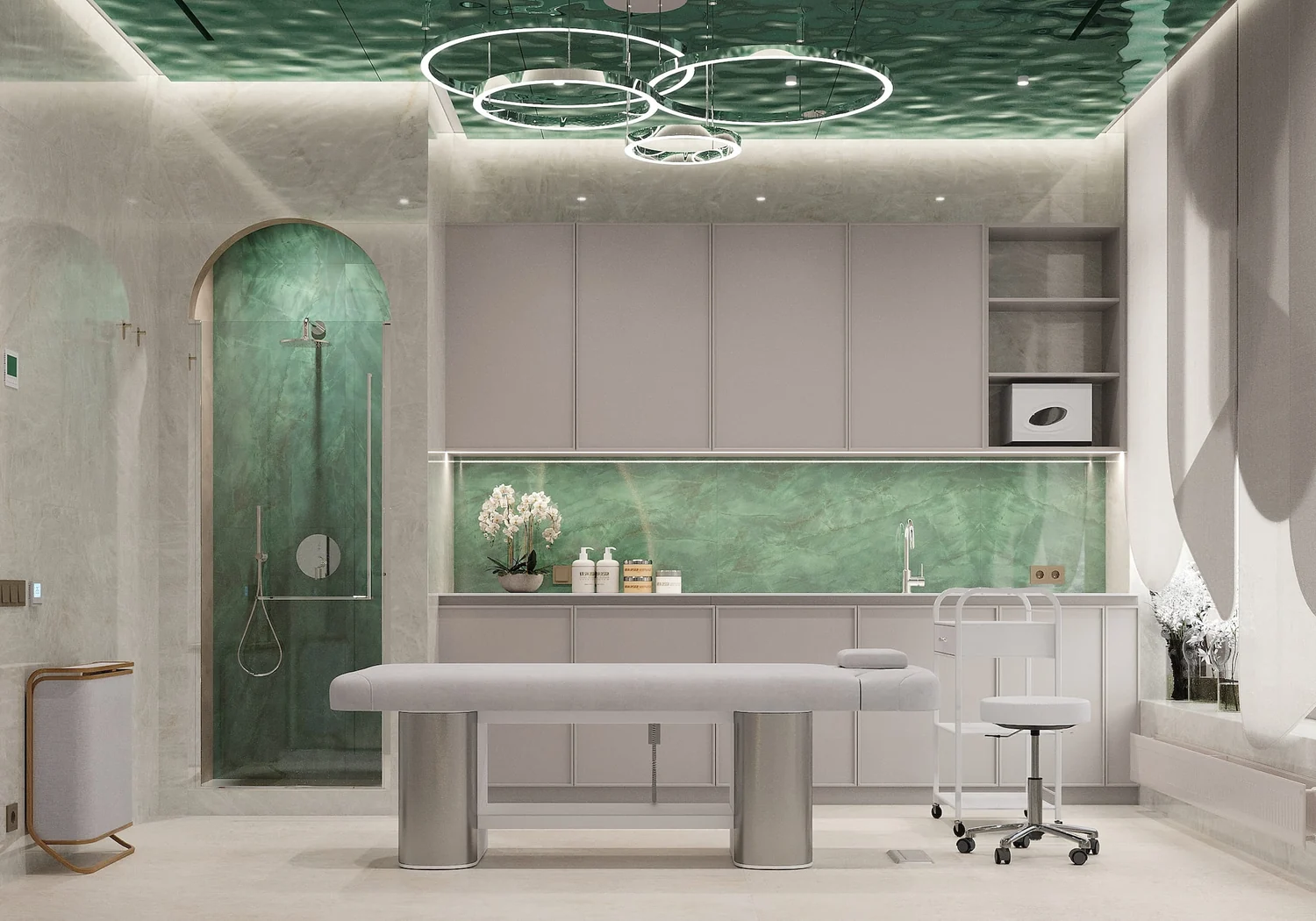
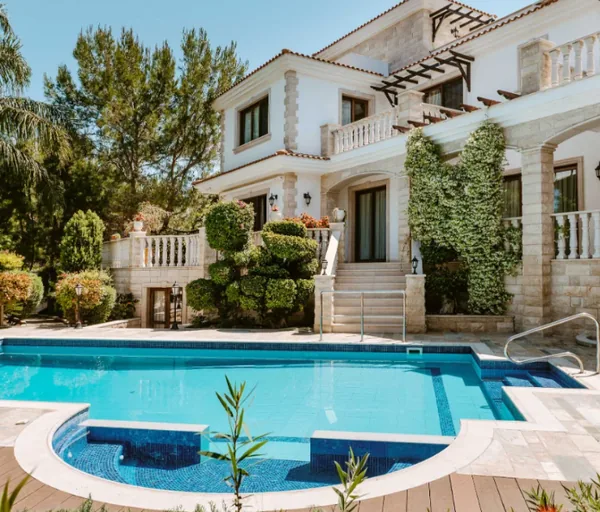
A 135 m² medical clinic, a 400 m² beauty destination, a 3,200 m² eco-hotel and a wellness club — four cost structures, four different answers to the same brief.
Because the alternative distributes the risk to the owner. When feasibility, design, procurement and pre-opening sit with four suppliers, every interface between them is a place where intent degrades and nobody is answerable for the result. The spa opens, underperforms, and each party can demonstrate they delivered their own scope.
One team across the chain means one party accountable for the spa opening on programme and trading to its plan. It also means the concept that justified the investment is the concept that actually gets built — which is the single thing most often lost between approval and opening.
Equipment is sourced through relationships with 50+ international manufacturers — used to source, never to steer a specification. What goes into your spa is chosen on fit, serviceability and total cost of ownership.
Six projects taken through the full cycle. Every image is our own work — drag, swipe or use the arrows.
Send us what you have — a plan, a site, or a number of square metres. We will tell you what the space can realistically hold and what it would take to open it.
Book a feasibility conversationThe GCC is one of the world's most dynamic spa and wellness markets — driven by Vision 2030 investment in Saudi Arabia, a booming hospitality sector in the UAE, and rapid growth across Qatar, Kuwait, Bahrain and Oman. Simultaneously, East Africa and the Indian Ocean Islands represent the fastest-growing frontier for luxury wellness development, with rising tourist arrivals and significant first-mover advantage for early investors.
I Feel Spa International brings 25+ years of global spa development expertise, applied specifically to the cultural, regulatory, and commercial realities of the GCC and African markets. We do not operate theoretically — we operate from within these geographies.
The GCC wellness economy is projected to reach $60B+ by 2030. Saudi Arabia's giga-projects alone will require hundreds of world-class spa and wellness facilities. In East Africa, luxury lodge and resort development is accelerating, with spa provision becoming a non-negotiable expectation.
Despite massive demand, the pipeline of qualified spa developers with genuine GCC and African market experience is thin. Most international firms lack the cultural literacy, regulatory knowledge, and local supplier relationships to operate effectively in these geographies. We do not.
The GCC hosts a concentration of ultra-high-net-worth individuals who demand globally benchmarked luxury wellness experiences — creating a client base willing to invest in the highest specification facilities, and an ongoing private wellness market alongside the hotel and resort sector.
Spa and wellness development in the GCC requires navigation of DHA, DOH, Saudi MOH, and municipal licensing frameworks. In Africa, national health authority approvals vary market by market. Our team has mapped every approval pathway and maintains relationships with regulatory consultants in each country we serve.
GCC Markets
Africa & Islands
A selection from 100+ full-cycle projects — from hotel spas to medical & wellness resorts across Europe, the GCC and beyond.
We work from inside these markets — licensing, climate, logistics and staffing included. Tell us which country you are building in.
Start your projectDiscuss your project with our expert team
Start Your ProjectYes. The UAE and Saudi Arabia are our primary markets. We are headquartered in Dubai and have delivered projects across the GCC including resort spas, hotel spas, medical spas, and standalone wellness centres. We understand local licensing, cultural requirements, climate considerations, and supplier logistics in every GCC market we serve.
We develop hotel and resort spas, standalone luxury day spas, medical spa facilities, wellness centres, and aquathermal complexes. In the GCC we have particular expertise in high-specification facilities targeting UHNW clientele — from boutique medi-spas of 200m² to full resort wellness complexes of 3,000m²+.
Yes. Africa and the Indian Ocean Islands are our second major market. We have completed spa development projects in Kenya, Tanzania, Zanzibar, South Africa, and the Maldives. We maintain established relationships with local contractors, suppliers, and regulatory bodies in each of these markets.
A typical hotel spa project in the UAE or Saudi Arabia requires 14–24 months from concept to opening. Licensing timelines, fit-out complexity, and equipment lead times are the primary variables. We compress timelines by running concept, design, and procurement workstreams in parallel, and we have pre-established relationships with GCC licensing authorities.
A spa consultant advises. A spa development company is accountable for delivery. In practice the same firm often does both, but the distinction matters commercially: advice ends with a document, development ends with a spa that opened and trades.
Yes. We are frequently brought in after drawings exist, and often after a problem has appeared. The earlier we join, the more we can change cheaply — but an audit of an existing plan, or of an underperforming open spa, is a normal engagement in its own right.
No. Engagements are modular: feasibility alone, concept alone, design support, procurement, pre-opening, or an audit of an operating spa. Full-cycle is the default recommendation, not a condition.
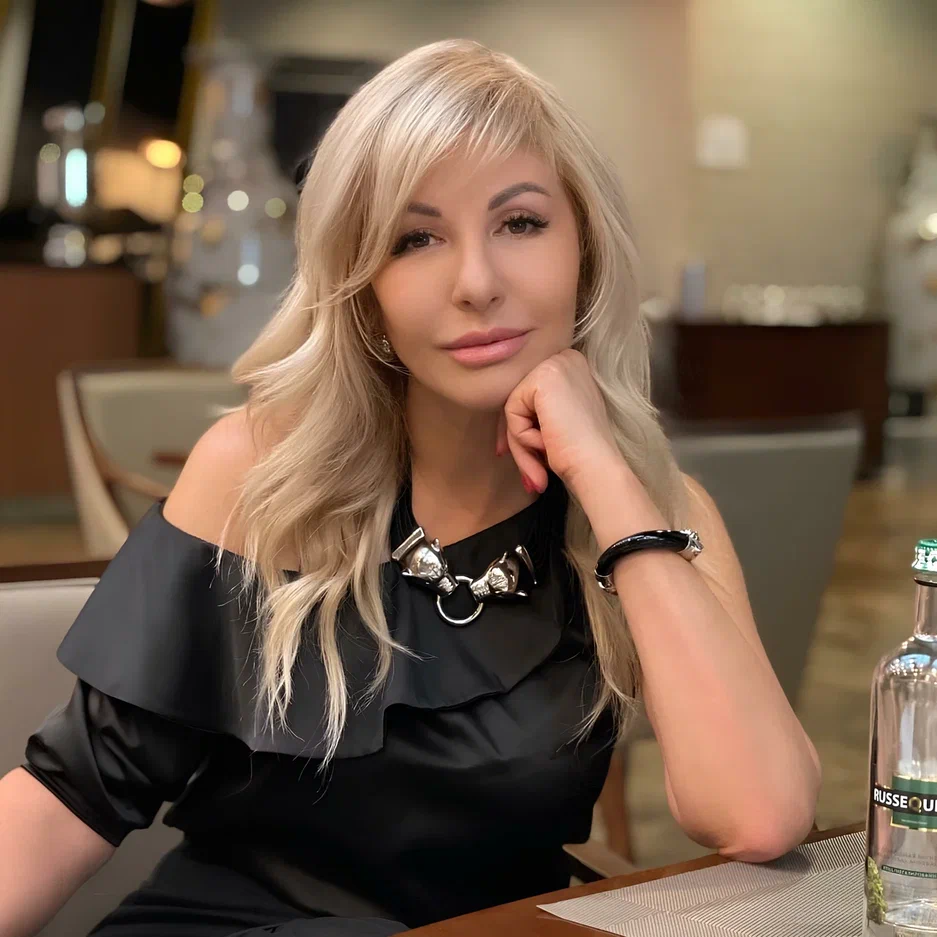
Natalia Filippova
Co-Founder & CEO
A spa industry pioneer with 25+ years developing spa and wellness concepts for luxury hotels, resorts and private residences across the Middle East, Africa and Europe. Natalia leads I Feel Spa International’s concept development, business modelling and operational start-up work across more than 15 countries.