Regional Markets
Spa Development in Rwanda
Full-cycle wellness development for Rwanda's ultra-luxury eco-lodges and Kigali's emerging hospitality market
Start Your Project
Full-cycle wellness development for Rwanda's ultra-luxury eco-lodges and Kigali's emerging hospitality market
Start Your ProjectRwanda has built one of Africa's most deliberate luxury-tourism strategies — high-value, low-volume — anchored on gorilla trekking in Volcanoes National Park and a fast-emerging Kigali hospitality and conference sector. In just a few years it has attracted an extraordinary concentration of ultra-luxury lodges: One&Only Gorilla's Nest and Nyungwe House, Singita Kwitonda, Wilderness Bisate and Magashi, and Virunga Lodge — properties charging USD 1,400–2,100+ per person per night, with gorilla permits at USD 1,500 per trek on top. Guests arrive having spent heavily and exerted themselves physically; a considered wellness and recovery offer is increasingly expected, not optional.
Two distinct opportunities sit within this. At the lodges, the spa is a recovery and forest-wellness proposition — muscle recovery after demanding treks, altitude and sleep support, and biophilic treatment design that draws on the Virunga and Nyungwe settings. In Kigali, a growing business-and-conference market supports urban hotel-wellness and day-spa development. I Feel Spa International develops both — working within the Rwanda Development Board (RDB) one-stop framework for investment and work permits, and advising on the landlocked logistics that make equipment delivery to Rwanda a specialist exercise.
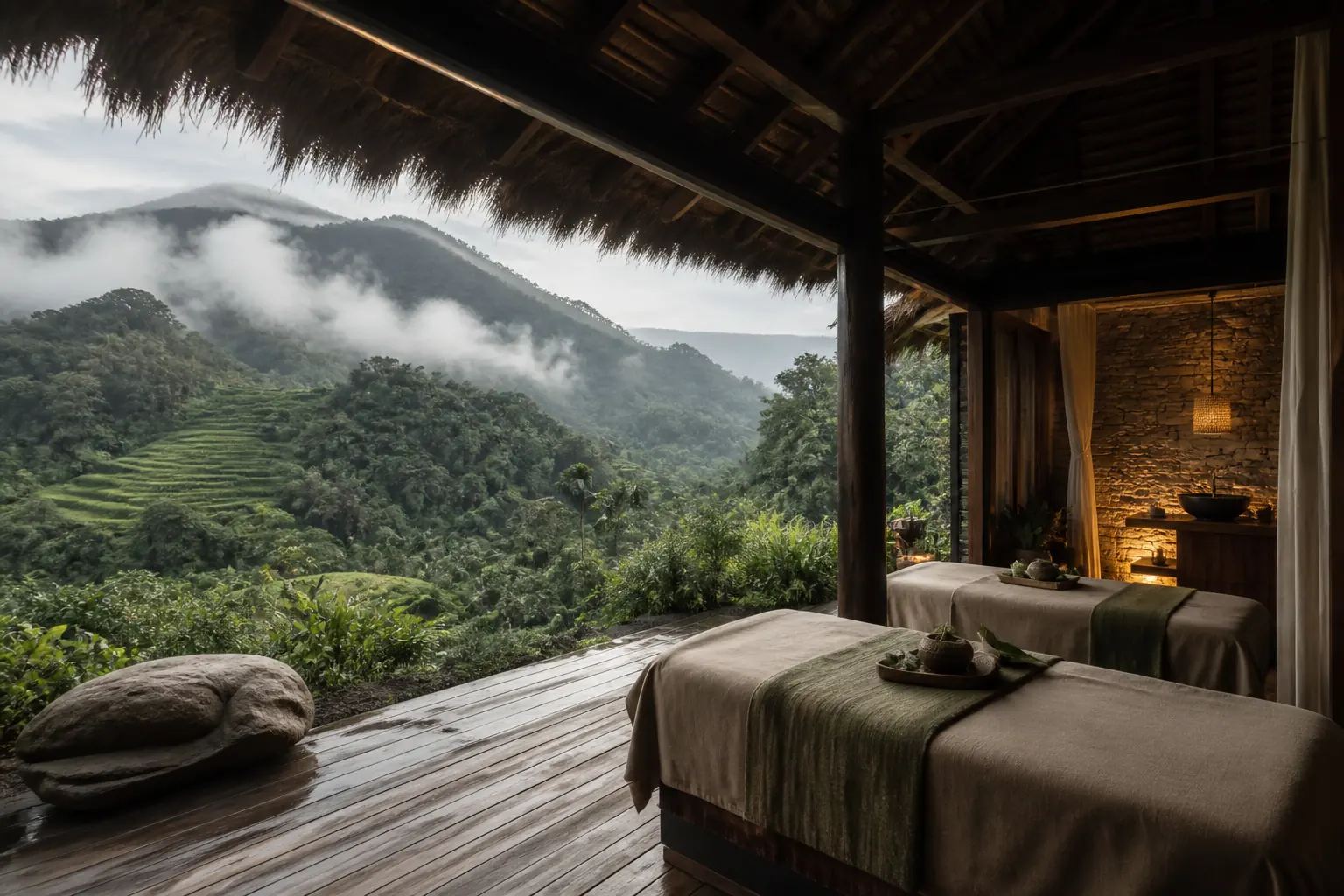
A Rwanda spa identity built around post-trek recovery, forest-bathing and biophilic design drawing on the Virunga and Nyungwe settings, and Rwandan botanicals — matched to a high-value conservation-tourism guest.
Recovery-focused lodge spas for the Volcanoes and Nyungwe circuits, and hotel and day-spa wellness design for Kigali's business and conference market.
Equipment specification and sourcing, with support on RRA customs and the landlocked import corridor into Rwanda.
Coordination of road freight via the Mombasa and Dar es Salaam corridors and air freight to Kigali International, with delivery to remote highland lodges.
International therapist recruitment with RDB work-permit support, recovery-programme and treatment training, SOPs, and soft-launch management.
Revenue optimisation, treatment menu development, therapist retention strategy, and seasonal programming aligned to the gorilla-trekking calendar.
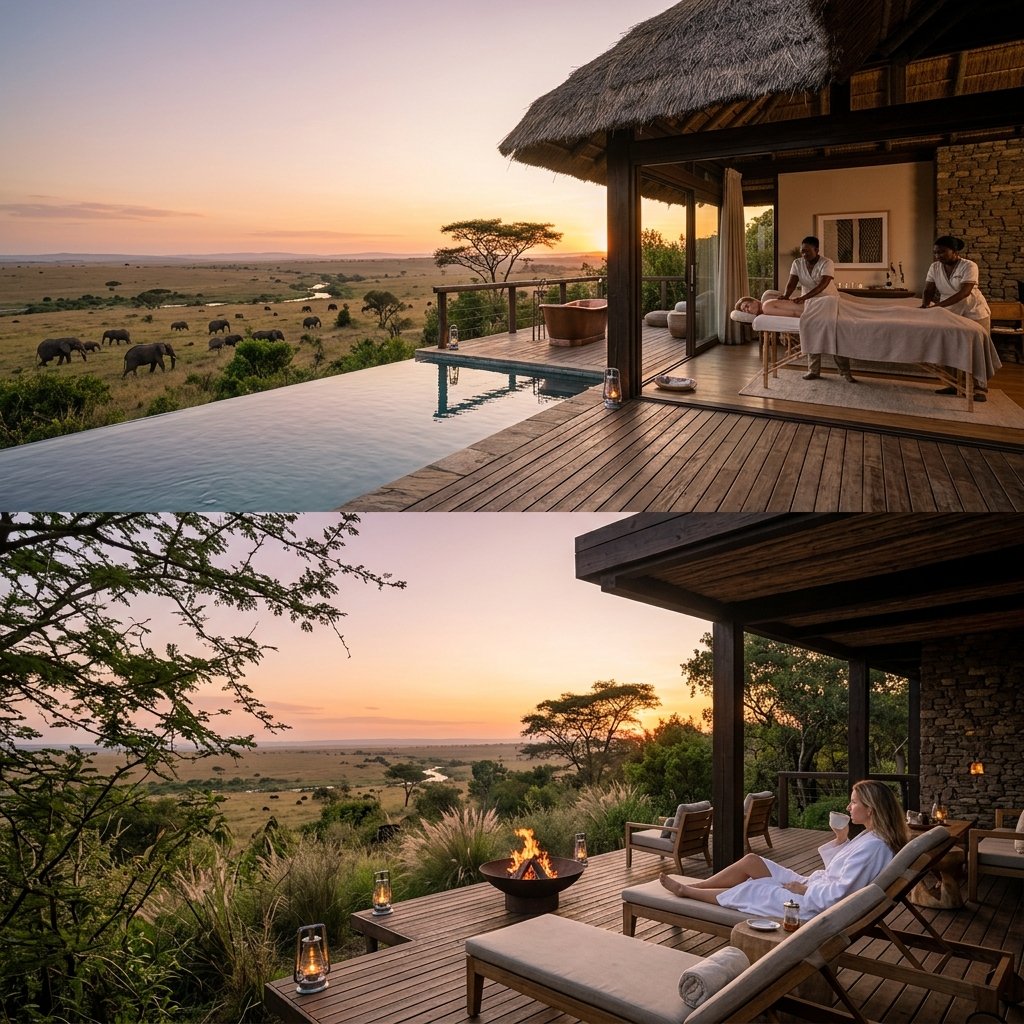
Rwanda chose a path few African destinations have: fewer guests, at far higher value, with conservation at the centre. Gorilla permits at USD 1,500 and lodge rates above USD 1,400 per person per night select for an affluent, discerning traveller. For a spa, that means the bar is set by global ultra-luxury, not by regional norms — the concept, materials, therapists and treatment quality must all read as world-class, because the guest has paid world-class prices to be there.
Unlike a beach destination, Rwanda's signature experiences are physically demanding — long, steep treks at altitude to reach gorillas and chimpanzees. That hands a lodge spa its most natural and defensible concept: recovery. Muscle recovery, hydrotherapy, altitude and sleep support, and forest-bathing programmes tied to the rainforest setting are not just treatments — they are the reason a guest books the spa. We design the concept and the treatment protocols around that native demand.
Beyond the parks, Kigali is establishing itself as a business, conference and MICE hub for the region, supported by a growing base of international-brand hotels. That creates a separate, year-round opportunity for urban hotel-wellness and day-spa development aimed at business travellers and a rising professional class — a different concept from the lodges, which we scope and design to the city's specific demand rather than transplanting a resort model.
Logistics and people, in that order. Rwanda is landlocked, so every piece of equipment arrives by road from the ports of Mombasa or Dar es Salaam, or by air into Kigali — routing, timing and cost that must be planned into the programme from day one, with final delivery to remote highland lodges. On the people side, recruiting qualified international therapists depends on the Rwanda Development Board (RDB) work-permit framework, which I Feel Spa International supports clients through so a recruitment plan is legally deliverable. Both are manageable with early planning — but both are routinely underestimated.
Recovery and forest wellness. Rwanda's guests reach the lodges after long, steep treks at altitude, so the most natural and defensible concept is one built around muscle recovery, hydrotherapy, altitude and sleep support, and biophilic forest-bathing programmes drawn from the Virunga and Nyungwe settings. This turns the spa from a nice-to-have into a core part of the itinerary, and gives it an authentic, ownable story that a generic international menu cannot match.
Yes. Kigali's growth as a business, conference and MICE hub — supported by a rising base of international-brand hotels — creates a separate, year-round opportunity for urban hotel-wellness and day-spa development aimed at business travellers and a growing professional class. This is a different concept from the recovery-led lodge spas, and we scope and design it to Kigali's specific demand rather than transplanting a resort model into the city.
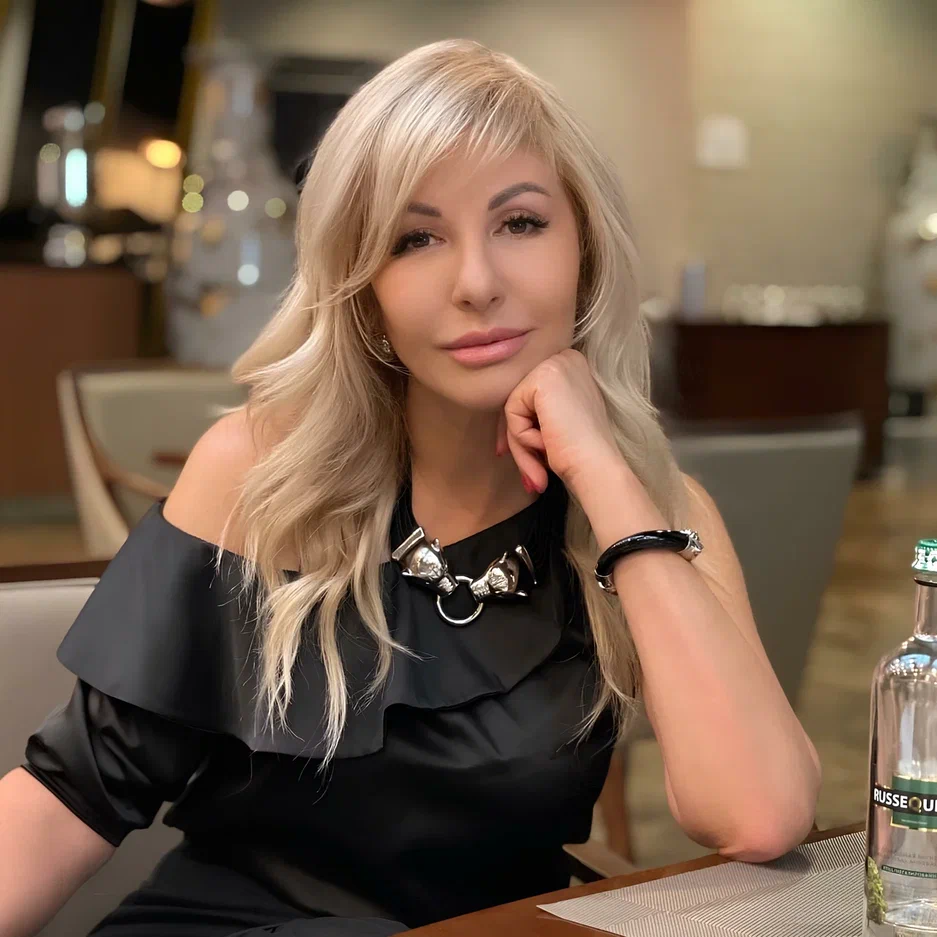
Natalia Filippova
Co-Founder & CEO, I Feel Spa International
A spa industry pioneer with 25+ years developing spa and wellness concepts for luxury hotels and resorts across the Middle East, Africa, Europe and beyond. Natalia leads I Feel Spa International's concept development, feasibility and operational start-up work, and has guided spa projects in over 15 countries — from GCC giga-projects to African safari lodges and Indian Ocean island resorts.
More about our team & expertise →Discuss your lodge recovery spa or Kigali hotel-wellness concept — we respond within 24 hours
Start Your Project