Private Wellness · Zanzibar

Zanzibar is semi-autonomous. It has its own authorities, its own investment and revenue bodies and its own import route, and treating it as a region of mainland Tanzania is the most common planning error on island projects.
The demand here is villa demand — extended stays, families and groups — which favours capacity, shade and flexibility over a sealed technology room.
And it has something most destinations lack: a treatment identity that can be built on what the island actually grows.
Zanzibar is semi-autonomous, with its own authorities, its own investment and revenue bodies and its own import route. Treating it as a region of the mainland is the most common planning error we see on island projects.
In practice that means:
Budget the programme for the island’s own process rather than assuming a mainland schedule applies.
Zanzibar’s private wellness demand comes mostly from villas and small estates taken for extended stays, families and groups — not from individuals passing through.
That shapes the room:
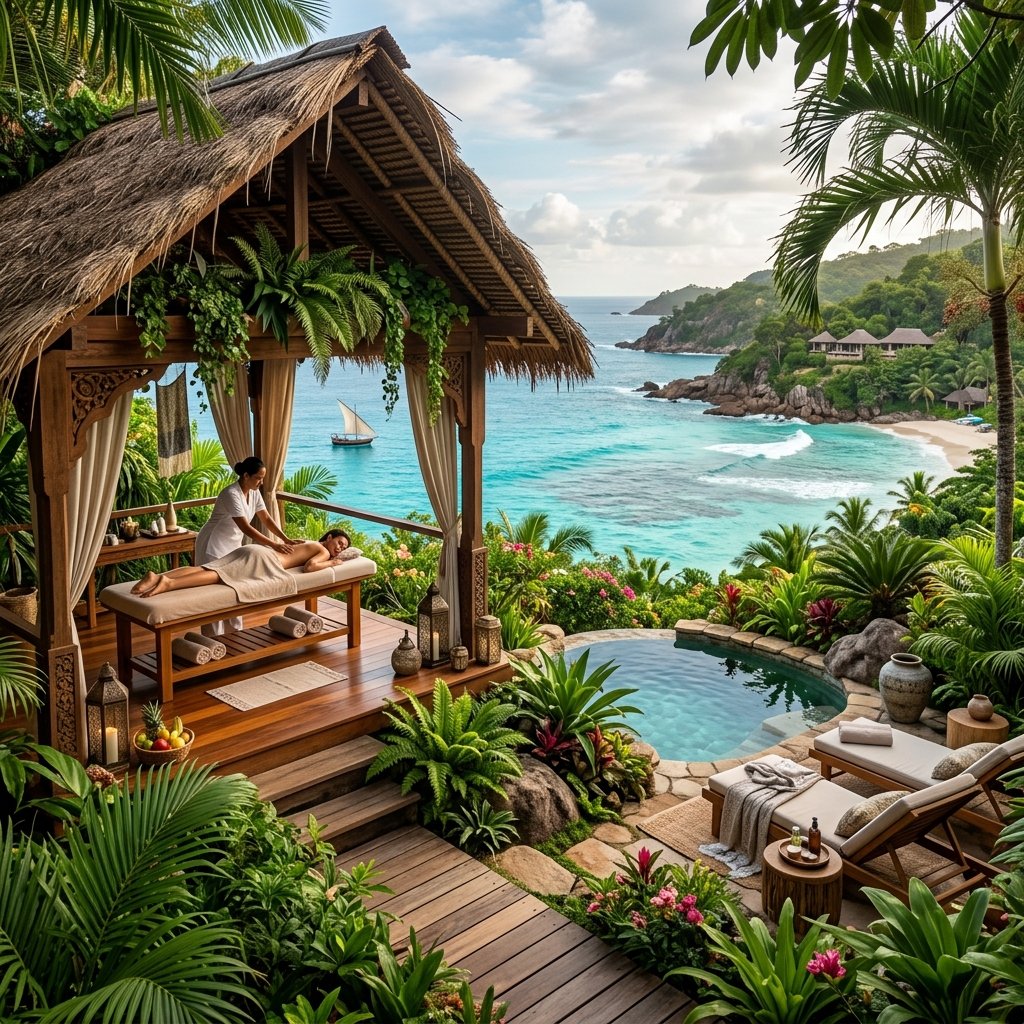
Our judgement: on a Zanzibar villa, an excellent outdoor treatment pavilion and a good shower usually beat an indoor technology suite, and cost considerably less to keep running.
Zanzibar grows cloves, cinnamon, black pepper, vanilla and ylang ylang. Few destinations can build a treatment identity on something genuinely from the island rather than imported and relabelled.
Used properly that means:
This is the cheapest genuine differentiator available on the island, and the most frequently wasted.
The island environment is hard on equipment, and the maintenance reality should drive the specification:
I Feel Spa International advises on Zanzibar projects from its UAE base with island logistics partners. For hotel and resort spa projects rather than private villas, see spa development in Zanzibar.
Tell us how the property is used and who is there between guests. On an island, that decides what is worth installing.
Start Your ProjectNo, and assuming so is the most common planning error we see. Zanzibar is semi-autonomous with its own authorities, its own investment and revenue bodies and its own import route. Registration and permitting run through Zanzibari bodies; we support and guide owners through the requirements, and the approvals themselves are issued to the owner.
Capacity, shade and flexibility. Demand comes from extended stays, families and groups rather than individuals, so a space several people can use together is worth more than a single-user device, and an open well-ventilated treatment or relaxation pavilion is used far more than a sealed technology room. In our judgement an excellent outdoor pavilion and a good shower usually beat an indoor suite, and cost much less to keep running.
Yes, and few destinations can say that honestly. The island grows cloves, cinnamon, black pepper, vanilla and ylang ylang. Doing it properly means sourcing that can supply consistently, storage suited to the humidity, provenance stated plainly rather than implied, and staff trained to tell the story accurately — which is what makes it credible rather than decorative.
Salt air and permanent humidity age fixings, fittings, electronics and external timber faster than a mainland installation. Anything wet or heated needs designed, powered ventilation or the moisture ends up in the joinery. Replacements travel the island's freight route rather than arriving by courier, so wear parts are held on site and villa staff are trained at handover with a short written routine.
 Irina Filippova
Chief Architect, I Feel Spa International
Leads interior design and architectural consultancy across I Feel Spa International’s global portfolio. Creator of award-winning spa interior concepts across Russia, the CIS and the Middle East.