
Private Wellness · Buyer’s Guide
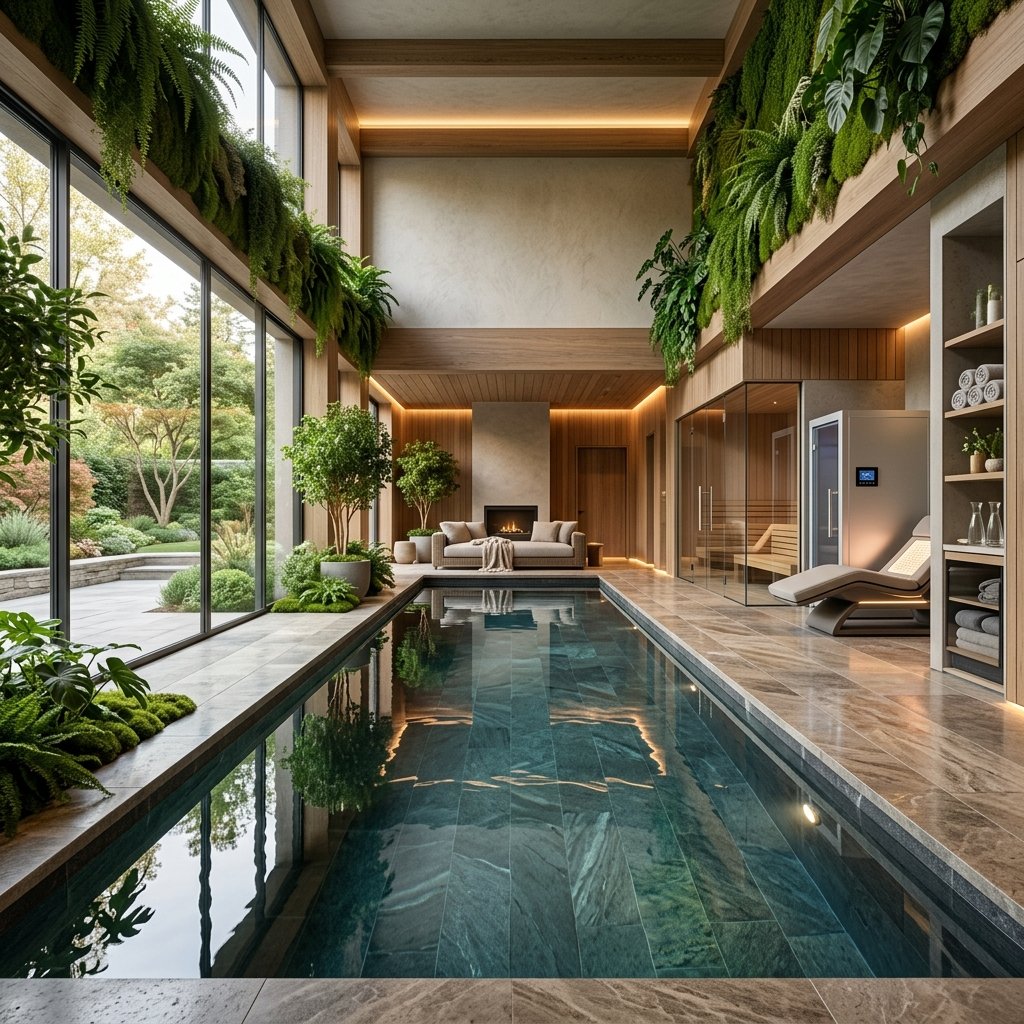
These are the nine technologies I Feel Spa International specifies most often for private wellness rooms, and what each one asks of the building it goes into. The devices themselves are described in detail on our wellness technologies pages; this guide is about choosing between them.
Almost every private wellness room we are asked to fix has the same fault. The equipment was chosen first and the room was asked to accommodate it afterwards. That order is expensive, and sometimes it cannot be resolved at all without opening up a floor.
So this guide runs the other way round: decide the outcome, then the device, then what the room has to provide.
A private wellness room rarely needs nine technologies. Most need two or three that genuinely get used. The way to arrive at those is to name the outcome you want and work back to the device — never the reverse:
The honest test is frequency. A technology used twice a week for ten years earns its place; one that impresses visitors and is used four times a year does not, whatever it cost. If you cannot say who will use a device and how often, leave it out of this phase and keep the space and the services for it.
Listed in the order they tend to get specified, not in order of merit. The requirement noted against each is the one owners most often discover too late.
Far-infrared thermal therapy in an enclosed dome, lying down. The dry-heat option where a steam room is impractical.
What the room must provideFloor area for the dome plus therapist access on both sides, a dedicated power supply, and cooling — it sheds heat into the room it stands in.
Chilled water immersion for recovery, used in short sessions.
What the room must provideA filled tank is heavy, so the floor structure matters; it needs water supply, a drain, a power supply for the chiller, and a surround that tolerates splashing.
A zero-gravity recliner combining vibration with air-pressure massage. Passive, so it suits people who will not use active equipment.
What the room must provideClearance to recline fully, a power socket, and enough acoustic separation that the motor is not heard in the next room.
An electromagnetic training chair for pelvic floor and core, used clothed and seated.
What the room must provideLittle space and a standard power supply, but genuine privacy — a door that closes, not a corner of a gym.
An unstable-surface platform for balance, proprioception and deep stabilising muscle.
What the room must provideClear floor space around the platform and a solid, level floor. The least demanding of the nine on services.
Medical underwater massage bath from a German manufacturer, for therapeutic hydrotherapy.
What the room must provideThe heaviest single item here. It needs structural capacity, hot and cold supply, a drain, waterproofing and a plant location for the pump.
Overhead jets along a treatment table, for wet treatments delivered by a therapist.
What the room must provideA properly drained and waterproofed wet room with falls designed in, a high flow rate of tempered water, and ventilation that clears the moisture.
A high-salinity float tank for sensory reduction and deep rest.
What the room must provideCeiling height for the lid, an access route wide enough to bring the tank in, water and drainage, a filtration plant, and finishes that tolerate salt.
A built steam and heat room, usually constructed rather than delivered, with its own bathing ritual.
What the room must provideA dedicated room with heat-tolerant construction, a vapour barrier, a stove supply, drainage and a cold plunge or shower immediately beside it.
Read that column before the brochure. Four of the nine need drainage, three need structural attention, and every one of them needs a power supply that was planned rather than found.
There is a consumer version of almost everything on that list, often at a tenth of the price, and the photographs look similar. The difference is duty cycle, serviceability and whether the result holds up.
Professional equipment is built to run several sessions a day for years, carries a parts supply and a service network, and is specified to standards an insurer and an installer will accept. Consumer equipment is built for occasional domestic use.
Where consumer equipment is the right answer, say so and buy it. It becomes the wrong answer when it is installed into permanent building fabric — a cheaper tank plumbed into a finished wet room is not a saving, because replacing it means opening the room again.
This is the question that most changes our recommendation, and it is almost never asked before purchase:
Our judgement, from installations in East Africa and the islands: an unserviceable device is an expensive ornament. On remote sites we would rather specify a simpler technology that can be kept running than a better one that cannot.
Every technology on this page carries some combination of power, water, drainage, ventilation, structural load and access requirements. Settled on a drawing, they cost almost nothing. Discovered at delivery, they cost a great deal.
The common failures are ordinary. A float tank that will not pass through the door or up the stairs. A wet room without falls to a drain, so water sits. A heat room with no ventilation path, so the moisture ends up in the adjoining joinery. A circuit that will not carry the load, traced back to a distribution board with no spare way.
The limit of this: a private wellness room can be retrofitted into an existing house, and we do it often. It simply costs more and constrains what is possible — and where structure or drainage cannot be altered, some of these nine come off the list. Knowing which, before anything is bought, is the whole point of this guide.
Send us the floor plan and tell us who will use it. We will tell you which of the nine the building can take.
Start Your ProjectStart from the outcome you want rather than the device. For heat and detoxification, the Iyashi Dôme or a Russian Banya; for recovery, an IcePod or reLounge; for deep rest, floatation; for strength and pelvic health, PelviPower or i-moove; for therapist-delivered treatments, a Trautwein bath or a Vichy shower. Then ask who will use it and how often. A technology used twice a week earns its place; one used four times a year does not.
Duty cycle, serviceability and standards. Professional equipment is built to run several sessions a day for years, has a parts supply and a service network, and meets specifications that installers and insurers accept. Consumer versions look similar and are built for occasional domestic use. Consumer equipment is a reasonable choice when it is free-standing, and a poor one when it is built into permanent wet-room fabric, because replacing it means opening the room again.
Each device has its own schedule, but the questions to ask before buying are the same: who services it in your country, where wear and consumable parts come from and how long they take, and what the warranty requires of you in water quality, servicing intervals and power supply. Outside major cities this decides the choice. A device that cannot be kept running is worth less than a simpler one that can.
Some combination of power, water, drainage, ventilation, structural capacity and an access route wide enough to bring the unit in. Of these nine, four need drainage and three need structural attention. These are inexpensive to resolve on a drawing and expensive to resolve after the room is finished, so they should be settled before any equipment is ordered.
 Irina Filippova
Chief Architect, I Feel Spa International
Leads interior design and architectural consultancy across I Feel Spa International’s global portfolio. Creator of award-winning spa interior concepts across Russia, the CIS and the Middle East.