Private Wellness · Kenya

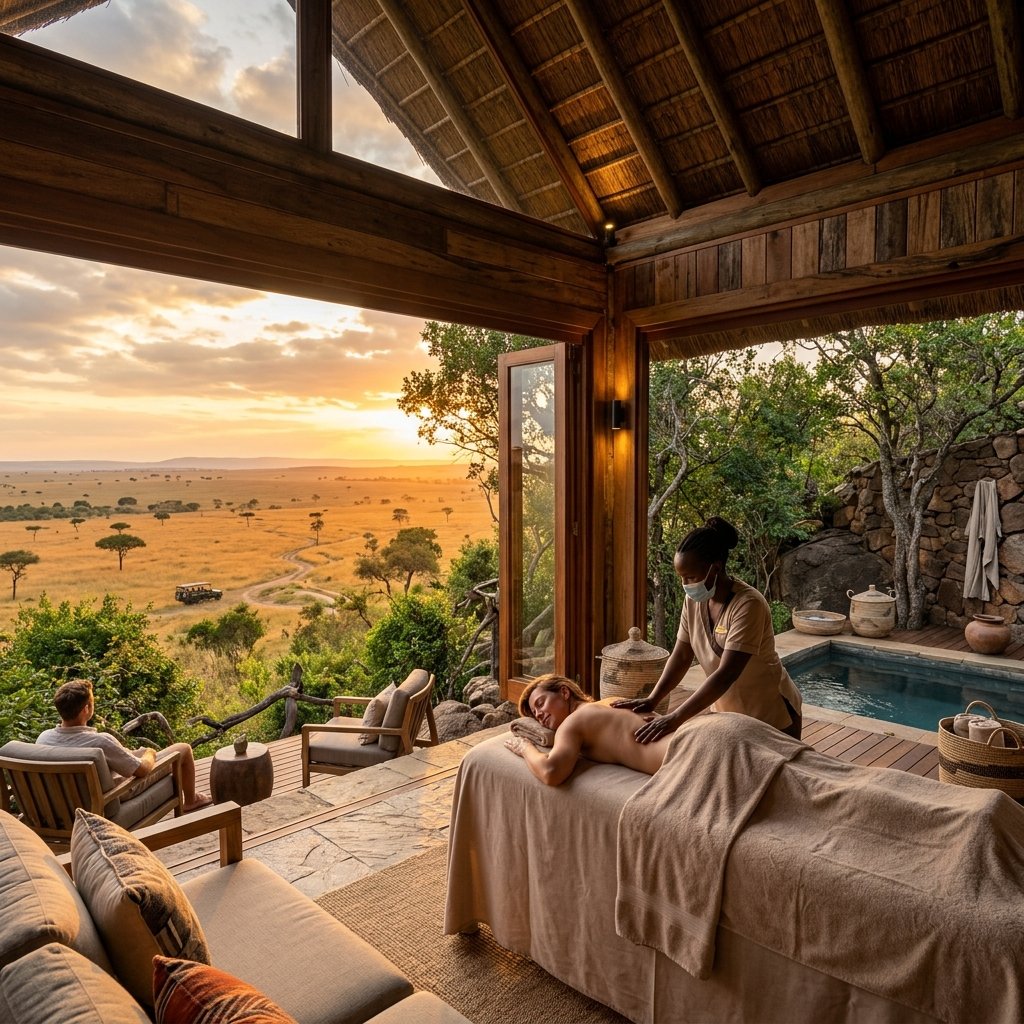
Kenyan private wellness projects divide into Nairobi residences, the safari lodge and up-country circuit, and the coast — and the honest way to tell them apart is by distance from somebody who can fix things.
In Nairobi most technologies are viable. On a remote property, power, water and the access route decide what can be specified at all, and servicing decides whether it is still working in year three.
This page is about that difference, and about what it takes to get equipment into the country in the first place.
Private wellness work in Kenya happens in three places: the affluent Nairobi suburbs — Muthaiga, Karen, Rosslyn and the diplomatic districts; the safari lodge and up-country house circuit; and the coast around Diani, Watamu and Malindi.
The useful way to tell them apart is not geography but how far each sits from somebody who can fix things:
Our judgement, and it is the same one we apply across East Africa: on a remote property, specify what can be kept running. A simpler installation that works every day beats a better one waiting for an engineer.
Four things settle the design before any equipment is chosen:
A cold plunge on a Kenyan property is a good example: it needs active chilling, the chiller needs power, and the power needs to be there when the generator is under load. That chain, not the plunge, is the actual design question.
Nairobi is the straightforward end of the Kenyan market. Services are reliable enough to support most of the technologies we specify, trades are available, and equipment can be serviced without a flight.
What still needs settling early:
For most Nairobi households the honest recommendation is a smaller number of technologies that get used several times a week, rather than a suite that impresses visitors and is used monthly.
I Feel Spa International advises on private wellness installations in Kenya from its UAE base; local logistics and installation partners carry out the work. It is a market we are actively expanding into, and we would rather say that plainly than imply a longer local history than we have.
What shapes the timeline:
For hotel, lodge and resort spa projects in Kenya rather than private residences, see spa development in Kenya.
Tell us where the property is and how it is powered. On a remote site those two answers shape everything else.
Start Your ProjectPower, water and distance. Supply is often generator or solar with battery storage, water comes from a borehole or stored rainwater and needs testing rather than assuming, and the access route may not take a lorry on its final leg. A part ordered from abroad can take a season. We therefore specify simpler equipment with serviceable mechanical parts and stock wear parts on site.
Yes, provided the chain behind it works. A plunge in Kenya needs active chilling, the chiller needs power, and that power has to be available while everything else on the property is running. The plunge is not the design question — the generator or solar capacity behind it is.
Compliance through the Kenya Bureau of Standards and the Kenya Revenue Authority, including pre-export conformity requirements that apply to many categories of imported goods. We support and guide clients through those requirements rather than issuing approvals ourselves. Freight arrives by sea through Mombasa or by air into Nairobi, and on an up-country property the final leg often constrains the equipment list more than anything else.
Kenya is a market we are actively expanding into, and we would rather state that plainly than imply a longer local history than we have. We advise from our UAE base, drawing on 100+ delivered spa, medical-spa and wellness projects in other markets, and local logistics and installation partners carry out the work.
 Irina Filippova
Chief Architect, I Feel Spa International
Leads interior design and architectural consultancy across I Feel Spa International’s global portfolio. Creator of award-winning spa interior concepts across Russia, the CIS and the Middle East.