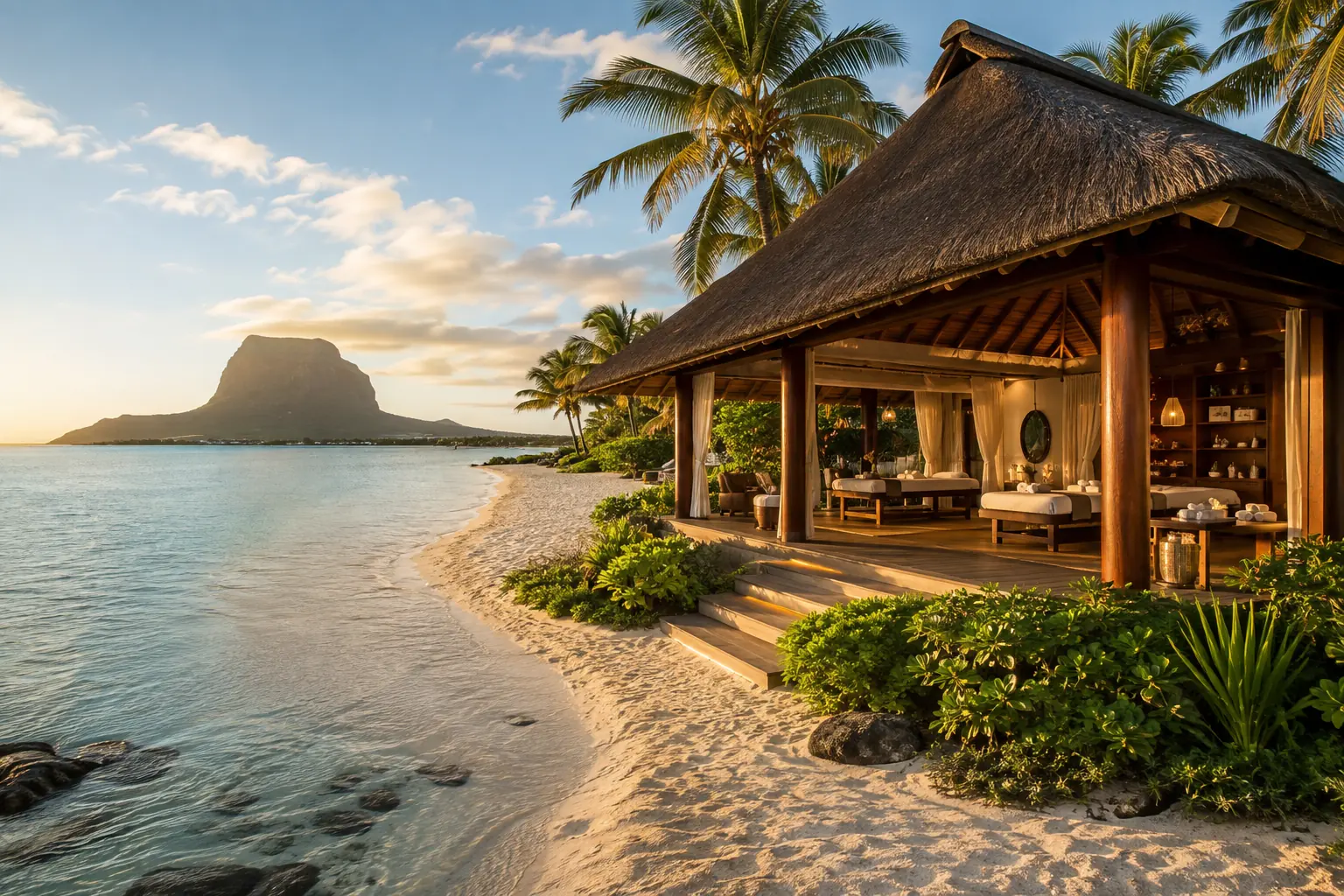
Private Wellness · Mauritius
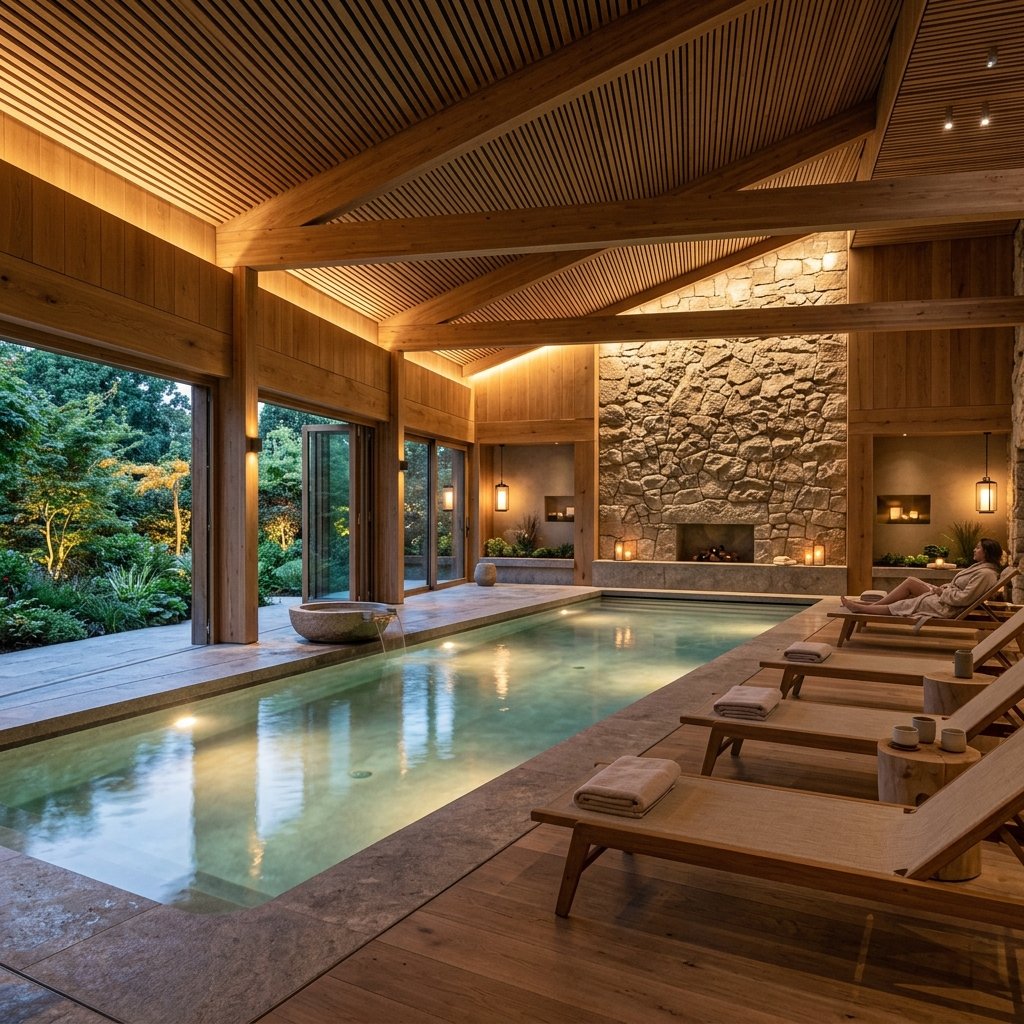
Mauritius is unusual in the Indian Ocean: the IRS, RES, PDS and Smart City schemes created a population of foreign owners who genuinely live here, rather than visiting.
So the wellness room is a domestic one. It gets used weekly for years, by a household, without staff on hand — which makes running cost, cleaning and serviceability matter more than they would in a resort.
It is also the Indian Ocean market where the ambitious option is most often practical, because the island has a port, trades and engineers who can reach you the same day.
Most Indian Ocean wellness work is for properties guests visit. Mauritius is different: the IRS, RES, PDS and Smart City schemes created a resident and second-home population of foreign owners who actually live on the island, often for much of the year.
That changes who the room is for, and therefore what it should be:
Our judgement: the specification that suits a Mauritian residence is closer to a European home spa than to a resort facility. Fewer devices, better built, chosen to be used without staff.
Daily use changes four decisions that holiday-property briefs usually get away with:
None of this is glamorous, and all of it decides whether a room is still in use in year three.
Compared with the outer-island projects we advise on elsewhere in the Indian Ocean, Mauritius is straightforward, and it is worth being plain about why.
That combination makes Mauritius the Indian Ocean market where the ambitious option — a plumbed hydrotherapy bath, a built hammam, a float tank — is most often genuinely practical rather than merely possible.
The sub-tropical climate is kinder than the Gulf but harder than Europe, and the cyclone season is a design input rather than a risk register entry.
I Feel Spa International advises on Mauritian projects from its UAE base with local logistics and installation partners, with servicing arranged before purchase rather than after the first fault.
Tell us who will use the room and how often. Daily use and holiday use produce different specifications.
Start Your ProjectThe client usually lives there. The IRS, RES, PDS and Smart City schemes created a resident and second-home population of foreign owners, so the room is used weekly for years by a household rather than twice during a holiday. That shifts the priorities to durability, running cost, ease of cleaning and serviceability, and generally toward fewer, better-built installations than a resort would choose.
More often than anywhere else in the Indian Ocean we work. The island has a working port with regular freight so there is no inter-island transfer, an established construction industry with trades who have built wet rooms, and engineers who can reach a property the same day. A built hammam, a plumbed hydrotherapy bath or a float tank is genuinely practical here rather than merely possible.
Humidity is constant, so ventilation for wet and heat rooms must be designed and powered rather than assumed. Coastal properties face salt, which ages fixings, metal fittings and external timber faster. Cyclone season means power interruptions, so water systems and heating should fail safe and restart cleanly, and outdoor covers and furniture need a plan for the season.
Fast heating and scheduled start-up, so it is ready when someone wants it rather than hours later; sensible running cost, because energy is a monthly bill for a resident; finishes a household or housekeeper can clean without specialist products; and access panels and filters that can be reached. Rooms that fail on these are used at weekends at first and then not at all.
 Irina Filippova
Chief Architect, I Feel Spa International
Irina Filippova
Chief Architect, I Feel Spa International
Leads interior design and architectural consultancy across I Feel Spa International’s global portfolio. Creator of award-winning spa interior concepts across Russia, the CIS and the Middle East.