Spa & Wellness Consulting · GCC

Spa consulting in the Middle East is the same job it is anywhere: deciding what a hotel, resort or developer should build, then making sure it opens on programme and earns. I Feel Spa International does that work from its Dubai headquarters for projects across the UAE, Saudi Arabia, Qatar, Kuwait, Oman and Bahrain.
What changes in the Gulf is the brief. Climate, gender and privacy expectations, the mix of resident and visiting guests, and an equipment supply chain that runs on imports all alter what the spa has to be — and they alter it early, before the architect has finished the plan.
This page covers what is specific to the region. For what spa consulting involves in general, how fees are structured and how to choose a consultant, see spa consulting services.
A spa concept that works in Europe or Asia rarely transfers to the Gulf unchanged. Four conditions account for most of the difference:
None of these conditions is exotic. Each is cheap to resolve on paper and expensive to correct once the structure is up.
The six GCC markets share a climate and much of a culture, but they do not share a spa market. What follows is our reading of what tends to shape the brief in each — a starting point for the conversation, not a substitute for a market study on your site.
Hotel and resort spas in Dubai and Abu Dhabi, plus a large resident population that uses spas all year.
Settle earlyWhether the concept includes any medical or clinical services — that moves it into a different licensing category, with different design requirements.
Spa development in the UAEA large pipeline of new hotels and destination developments under Vision 2030, alongside fast-growing domestic travel.
Settle earlyHow gender separation will be handled, and on multi-property programmes, how far one concept can be repeated before it needs adapting.
Spa development in Saudi ArabiaLuxury hotels in Doha, and a resident population in districts such as The Pearl and Lusail.
Settle earlyThe balance between hotel-guest and resident use, which decides membership offers and peak capacity.
Spa development in QatarMainly resident-led rather than tourist-led.
Settle earlyA service menu that residents will come back to every week, rather than a resort-style menu built for one visit.
Spa development in KuwaitResort-led, in Muscat, the mountains and Salalah — where the busiest period is the summer khareef, when much of the Gulf is at its hottest.
Settle earlyHow capacity and staffing flex across a strongly seasonal year, and how the seasons differ between regions.
Spa development in OmanHotels in Manama, with weekend visitors from Saudi Arabia across the King Fahd Causeway.
Settle earlyPeak-day capacity: weekends behave very differently from weekdays, and a spa sized for the average day fails on the busy one.
Spa development in BahrainEach country page covers that market’s regulatory and commercial detail. The differences that matter most at the start are usually commercial — who the guests are and when they come — rather than regulatory.
Our judgement, from Gulf projects that reached us late: the costly problems cluster at four points.
If your project is already past all four points, the useful work narrows to operations and performance. That is still worth doing, but it is a different engagement — see spa management consulting.
I Feel Spa International defines the spa, develops the concept, prepares the business case, specifies and sources the equipment, and advises your team through pre-opening with a staffing plan, training and operating standards.
On licensing, we support and guide owners through the health-authority, tourism and municipal requirements of each GCC market, and prepare the concept and design information those applications need. We do not issue approvals, and we do not hold them: they are granted by the relevant authority to the owner or operator.
We are a consultancy, not an operator. When the spa opens, it is run by your own team or by an operator you appoint. We also hold relationships with more than 50 international equipment manufacturers; they are used to source, compare and arrange local servicing — never to steer a specification.
One limit worth stating plainly: a local contractor and a local legal adviser know the municipality, the permit queue and the labour market better than any international consultancy, including us. On Gulf projects we work alongside them, not instead of them.
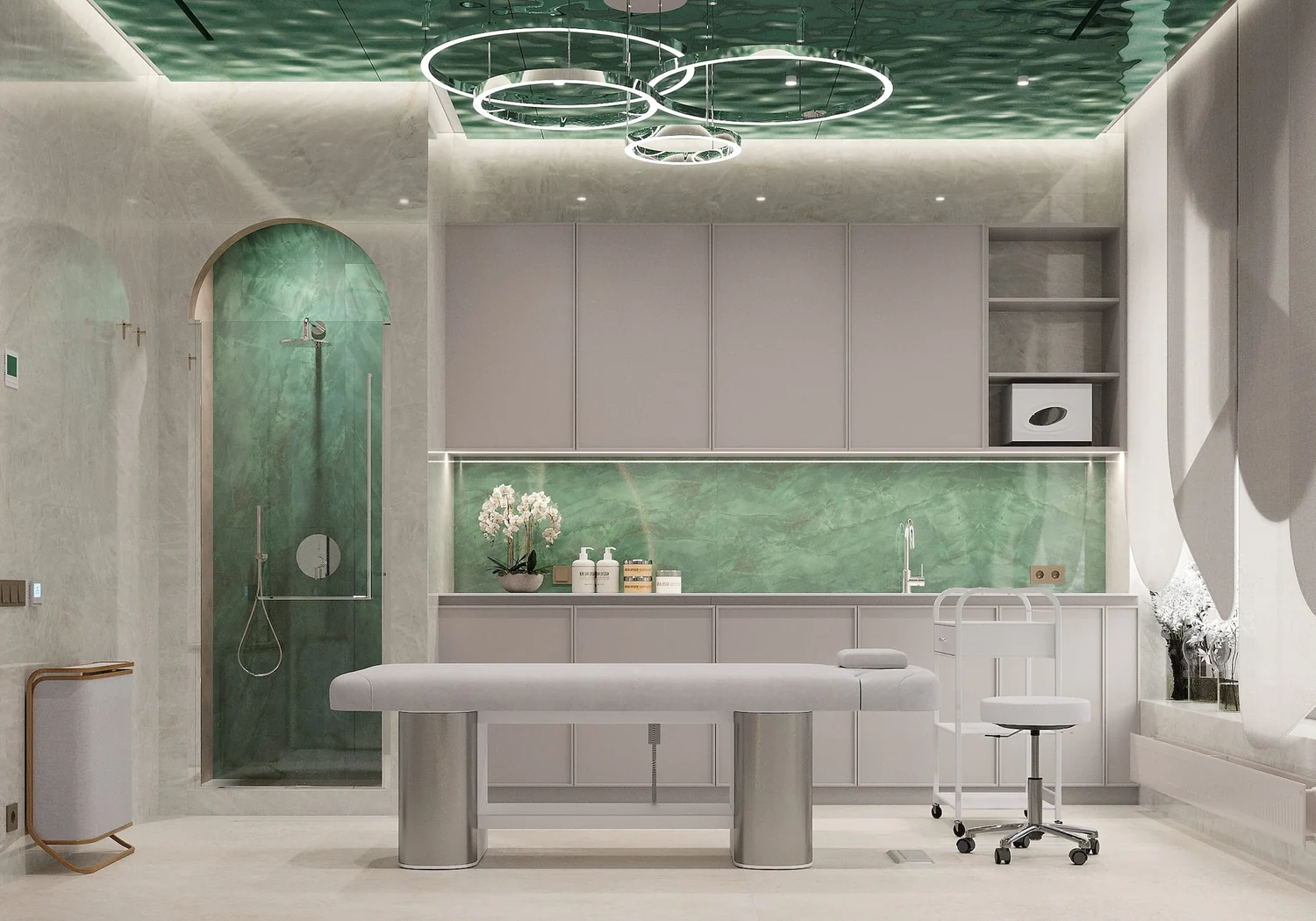
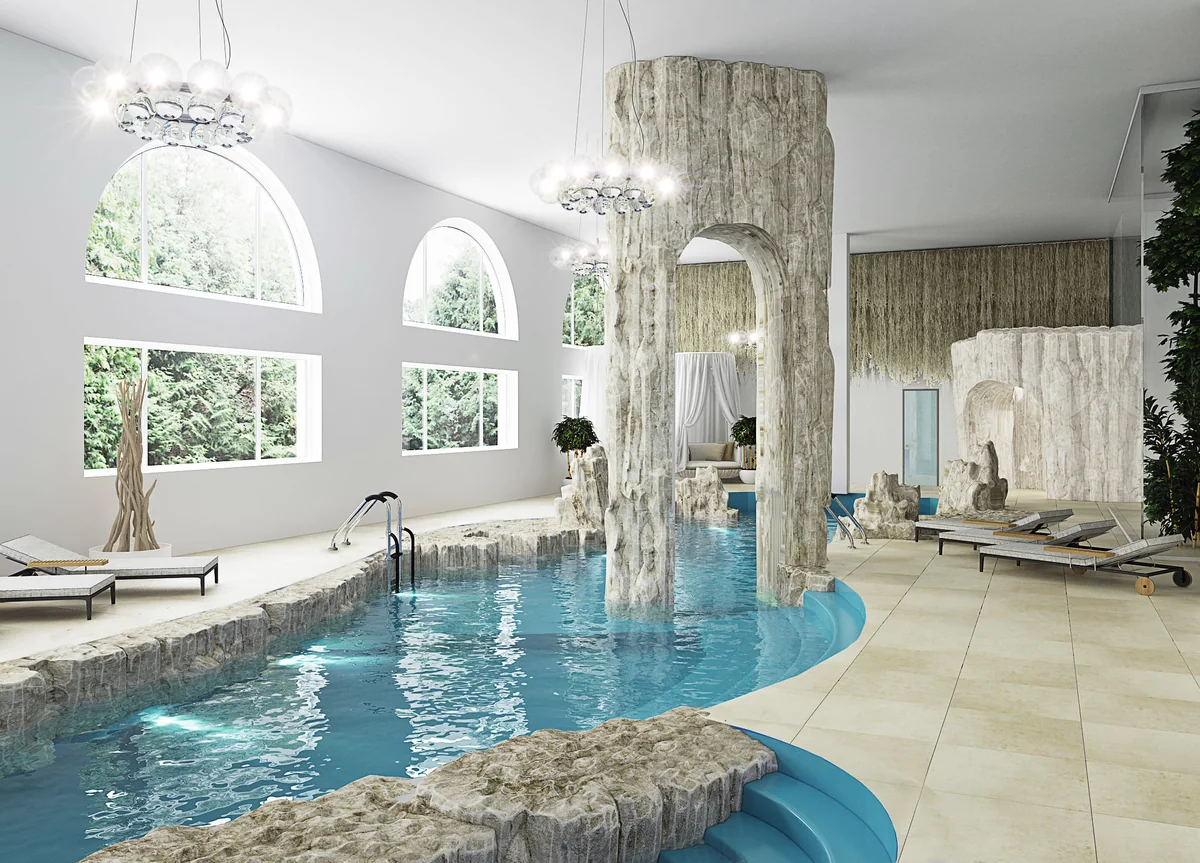
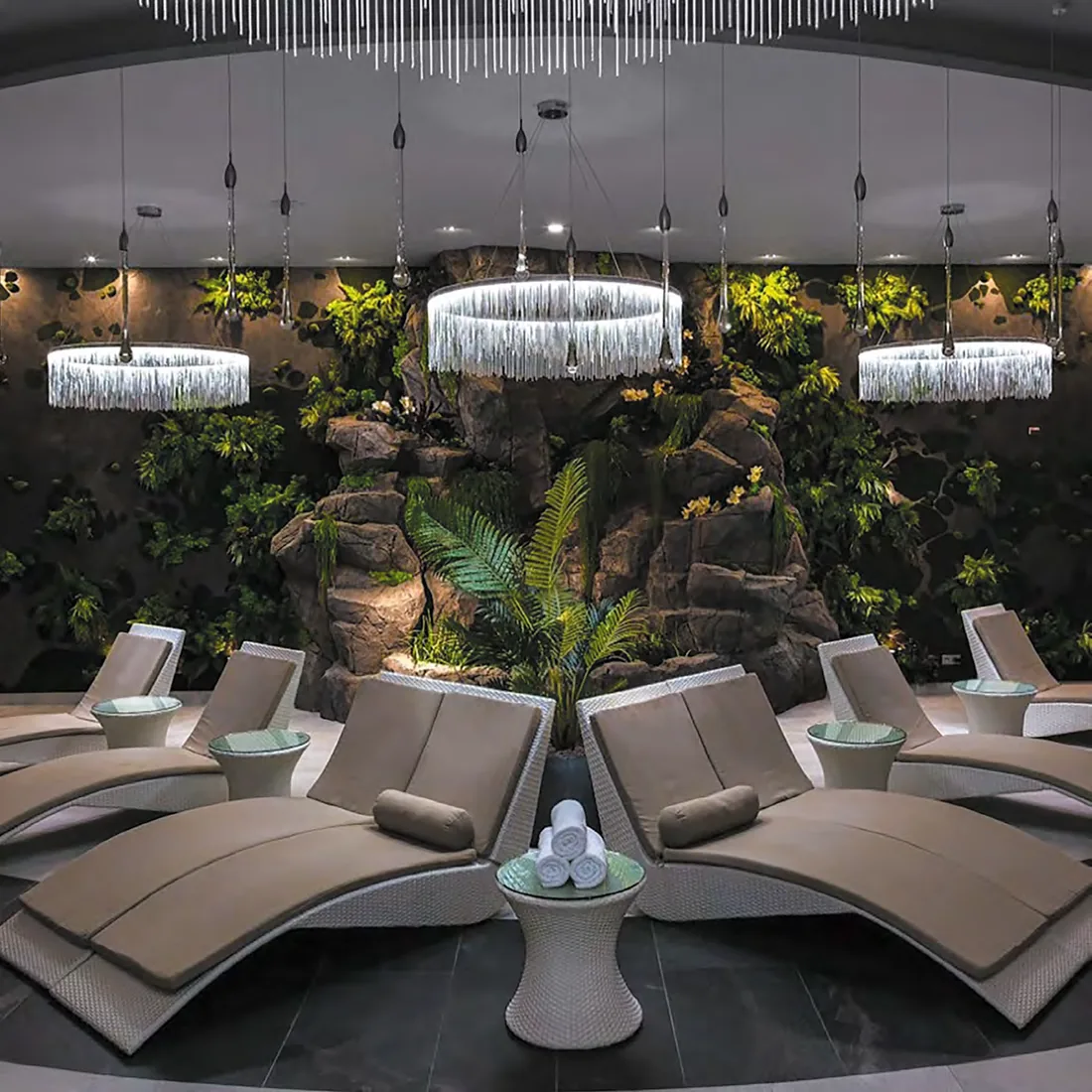
A 135 m² medical spa, a 1,840 m² hotel wellness destination and a 5,000 m² resort spa complex — the same process we apply to Gulf projects, scoped to the brief.
Tell us about the site, the operator question and the timeline. We will tell you where the brief stands.
Start Your ProjectI Feel Spa International works across the GCC — the UAE, Saudi Arabia, Qatar, Kuwait, Oman and Bahrain — from its headquarters in Dubai, as well as in East Africa and the Indian Ocean islands. Each GCC market has its own page covering its regulatory and commercial detail.
No. We support and guide owners and operators through the licensing, health-authority and municipal requirements of each market, and prepare the concept and design information those applications need. The approvals themselves are granted by the relevant authority to the owner or operator.
Rarely. Climate, gender and privacy expectations, the guest mix and the equipment supply chain all differ enough to change the floor plan, the service menu and the plant. An imported concept can be a starting point, but it needs adapting before the architect fixes the plan, not after opening.
Before the spa operator is selected and before structural drawings are frozen. At that stage the number of treatment rooms, the wet-zone layout and the equipment specification can still change on paper. After it, every change becomes a variation order.
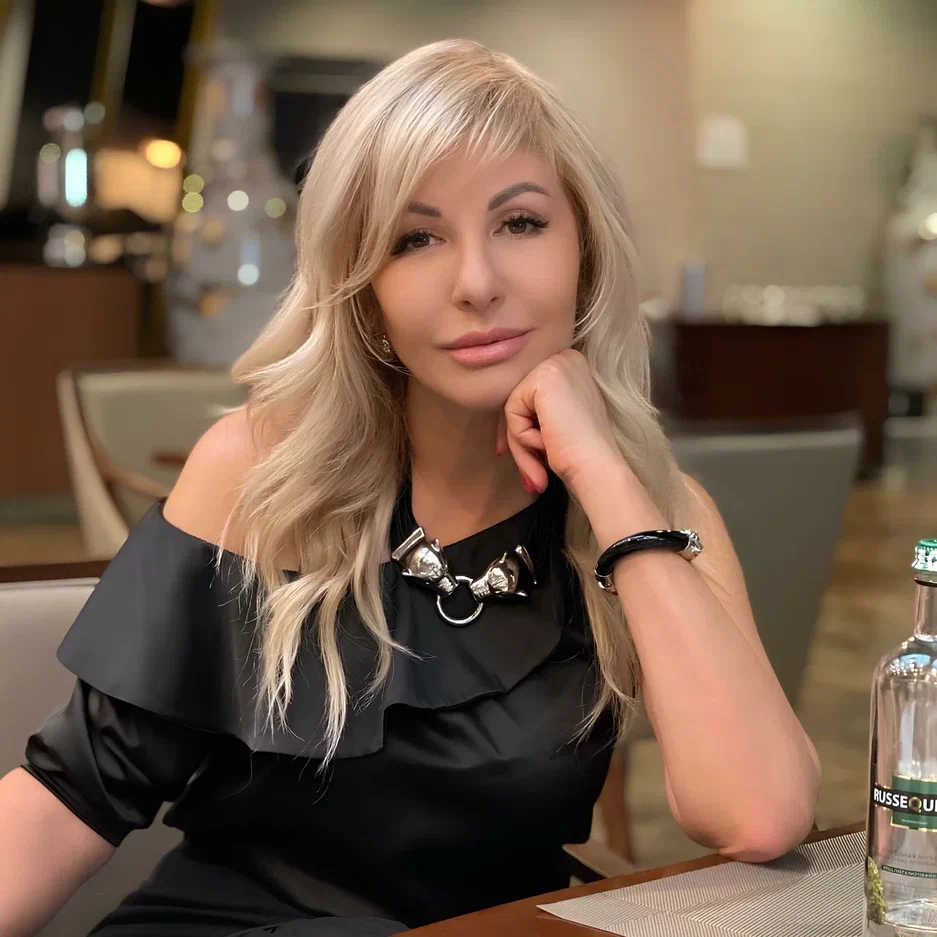 Natalia Filippova
Co-Founder & CEO
A spa industry pioneer with 25+ years developing spa and wellness concepts for luxury hotels, resorts and private residences across the Middle East, Africa and Europe. Natalia leads I Feel Spa International’s concept development, business modelling and operational start-up work across more than 15 countries.