Medical Clinics
Opening a Medical Clinic in Qatar
Full-cycle medical & longevity clinic development — concept, design, equipment, business plan
Book a Consultation
Full-cycle medical & longevity clinic development — concept, design, equipment, business plan
Book a ConsultationQatar is a small country with a high-income population concentrated in and around one city. That shapes a clinic business more than any regulatory detail does.
Two consequences follow, and they pull in opposite directions. Word of mouth travels unusually fast, so a clinic that performs builds a reputation quickly and cheaply — and a clinic that disappoints cannot outrun it. And the addressable market for any given specialty is finite, which means a menu copied from Dubai will contain services with no realistic patient volume here.
The clinics that work in Doha tend to be narrower and deeper than their Dubai equivalents: fewer services, done visibly better, with the patient relationship rather than footfall doing the acquisition work.
We size the menu against the actual catchment rather than against what fits the floor plate.
Clinic licensing in Qatar runs through two bodies, and a plan that budgets time for only one will slip.
The Ministry of Public Health licenses the facility — the premises, the permitted activities and the standards. The Qatar Council for Healthcare Practitioners registers and licenses the individual clinicians who will work in it. The two processes run on different timetables and have different evidence requirements, and the practitioner side is the one that more often determines when you can actually open.
The practical discipline is to start the practitioner process as early as the facility process, rather than treating it as a staffing task to be picked up once the building is nearly ready. We guide clients and their local partners through both; the licences are issued to the clinic and its clinicians, never to us.
Budget the clinicians' registration as a programme item, not an administrative one.
Qatar built a large, high-specification hospitality and residential estate for a global event, and that estate now needs year-round reasons for people to use it. Clinical wellness is one of the more credible ones.
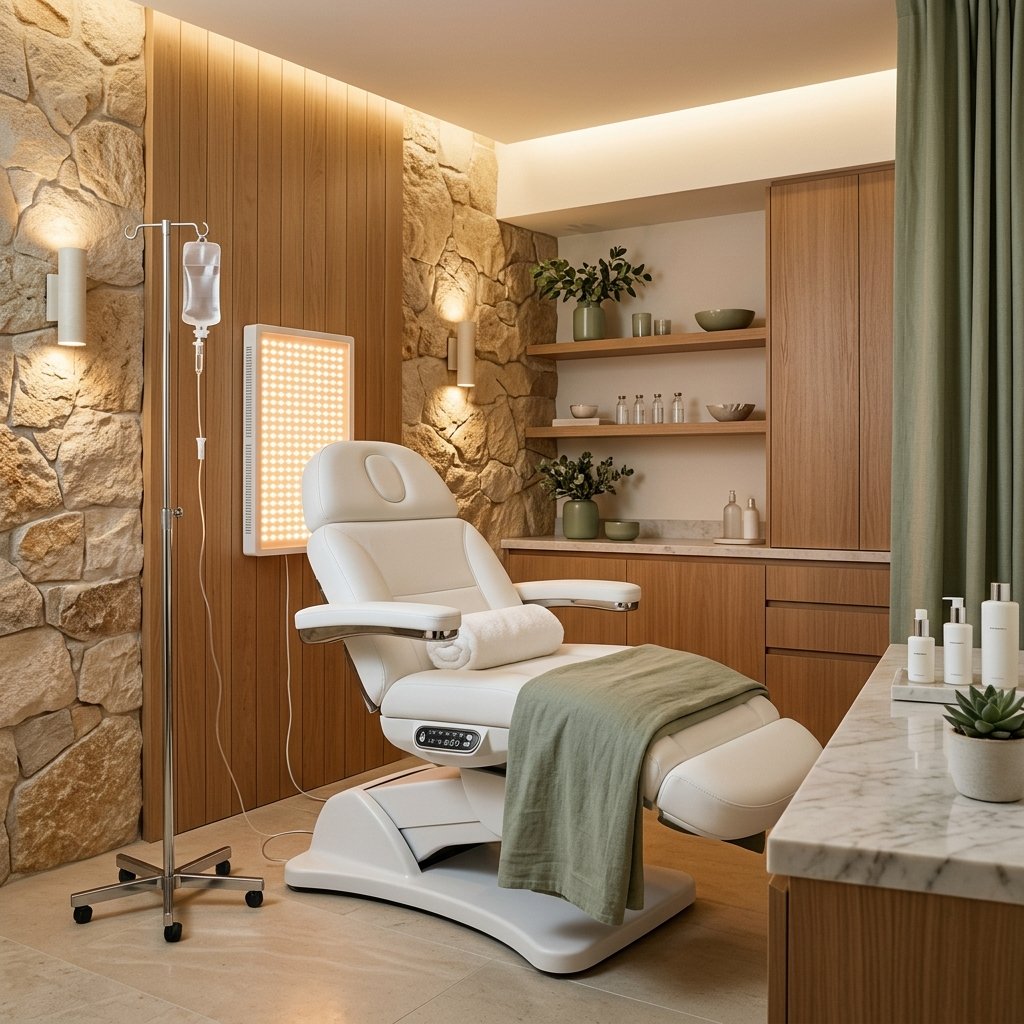
A clinic inside a hotel, resort or residential development behaves differently from a street-front practice:
This is the brief we are asked for most often in Doha, and the one where the commercial model matters most, because the property's occupancy is not yours to control.
A short engagement list, because Qatar projects reward focus:
Two, and both matter. The Ministry of Public Health licenses the facility itself — the premises, the activities permitted there and the standards it must meet. The Qatar Council for Healthcare Practitioners registers and licenses the individual clinicians who will work in it. The two run on separate timetables with different evidence requirements, and the practitioner side more often decides when you can actually open. Plans that budget time for the facility only are the ones that slip. We support clients and their local partners through both; the licences are issued to the clinic and its clinicians.
For a narrow, well-executed one, yes. For a broad menu copied from Dubai, usually not. The population is high-income but finite and concentrated around one city, so the addressable market for any single specialty is smaller than the headline wealth suggests. The clinics that do well in Doha tend to offer fewer services performed visibly better, and rely on the patient relationship rather than footfall for acquisition — which works because reputation travels very fast in a market this size. The same speed is unforgiving of a clinic that underdelivers.
Yes. The setting does not change the requirement: a clinic operating within a hotel, resort or residential development is still a licensed facility staffed by licensed practitioners, and it must meet the same standards as a street-front practice. This surprises developers more often than it should, usually when the space has already been designed as an amenity rather than as a clinical facility. Settling it early avoids rebuilding rooms that cannot be licensed as drawn.
Demand arrives on the property's occupancy curve rather than your own. Some patient flow comes without marketing, which is genuinely valuable, but it concentrates in the property's strong months and thins in its weak ones. A model built on an annual average will look comfortable and run out of cash in the low season. We build it against the property's real monthly pattern, and look at whether day-guest or residential programmes can fill the troughs.